

Book An Appointment
* Fields with asterisks are required.TMJ Orofacial Pain In Boca Raton, FL
Orofacial Pain & TMJ Disorders
Along with ensuring that their patients have healthy teeth and gums, our dentists at Dental TMJ Sleep Apnea also treat orofacial pain and TMJ disorders. Dentists are experts at diagnosing and treating many heads, neck, and mouth diseases and injuries. If you experience problems in these areas, you should visit our dental offices in Boca Raton, FL.
What Causes Orofacial Pain?
Orofacial pain is any discomfort that you feel in your head or neck. The discomfort may come from the muscles, arthritis, or neuropathic orofacial pain disorders. Face pain, ear pain, jaw pain, toothaches, headache, or temporomandibular joint discomfort, TMJ, are types of orofacial pain.
What is TMJ?
TMJ is the most common type of orofacial discomfort that our dentists near you treat. You have two temporomandibular joints on each side of the head that attaches the jawbones to your skull. These joints act like sliding hinges when you open and close your mouth.
When there is pain in one or both joints, it can come from the joint or the muscles surrounding them. Some of the symptoms of TMJ include:
- An ache in or around the ear(s)
- Tenderness or discomfort of the jaw(s)
- Discomfort in the joint(s)
- Facial pain that aches
- Difficulty opening or closing the mouth
- Jaw(s) locks in place
- Problems or pain while chewing
Causes of TMJ
When you’re facing orofacial pain or TMJ disorders, you need to see our dentists in Boca Raton, FL, for an examination and diagnosis. When they examine your jaw, our dentists at Dental TMJ Sleep Apnea may determine that the cause of your TMJ is:
- Erosion or misalignment of the disk
- Arthritic damage of the joint
- Damage from an impact to the joint
TMJ Treatments
For persistent TMJ symptoms, our dentists may try conservative treatments first. They may prescribe medications to relieve any pain you’re having or reduce inflammation. They may also use muscle relaxants to reduce discomfort caused by muscle spasms.
Wearing mouth splints or guards that fit over the teeth is beneficial to many people. Also, physical therapy to stretch and strengthen jaw muscles can help as well. The last resort may be a surgery that can correct joint pain by repairing or replacing the joint.
If you’re having symptoms of orofacial pain or TMJ disorders, contact our offices in Boca Raton, FL. We can diagnose your problem and help correct it to stop your pain.
Face and Jaw muscle release helps reducing facial and Jaw Tension
TMJ disorders and facial pain are treated in part with an oral appliance
FAQ's
Other Services

If you think you may have sleep apnea, our team can help you reclaim a restful night's sleep.
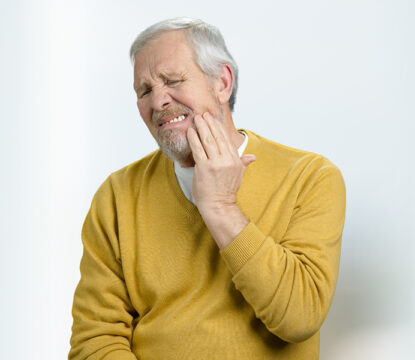
At Dental TMJ Sleep Apnea, we specialize in more than just TMJ disorders and sleep apnea.

Do you need a new dentist to perform regular dental exams near you? Dental TMJ Pain in Boca Raton knows what their patients need.
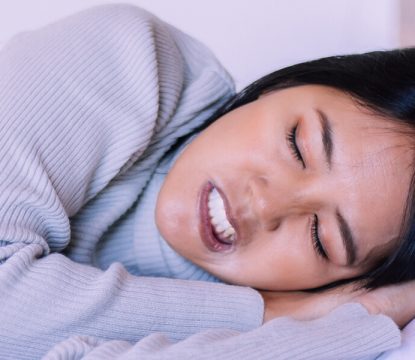
It’s not easy to tell if you have bruxism since it occurs while you’re asleep.
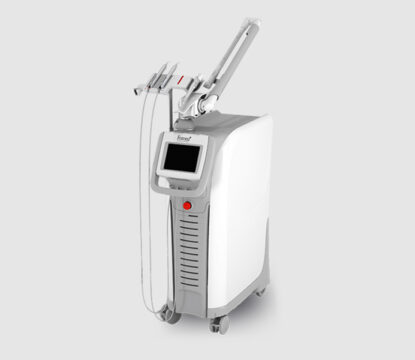
At Dental TMJ Pain and Obstructive Sleep Apnea, we are committed...

Dental TMJ Pain offers advanced, personalized solution...

At Dental TMJ Pain, we offer Shockwave Therapy in Boca Raton, a cutting-edge, noninvasive...

Are you searching for Non-Invasive TMJ Therapy in Boca Raton? At Dental TMJ Pain...

Trigger Points TMJ Therapy targets specific areas of tension within the jaw, neck, and surrounding muscles.

Autho's Bio
Dr. Reda A. Abdel-Fattah
Dr. Abdel-Fattah is a diplomate of the American Boards of Orofacial Pain and Craniofacial Pain, specializing in the evaluation and non-surgical treatment of TMJ-related disorders. With advanced training from UMDNJ and extensive postgraduate education, he provides evidence-based solutions for chronic jaw pain, muscle tension, and joint dysfunction.